
Perioperative nursing involves caring for patients before, during, and after surgery. There are different specialized roles, such as the scrub nurse who prepares the operating room. Becoming a perioperative nurse requires a nursing degree, RN licensure, and clinical experience. Certification is recommended for career growth.

A perioperative nurse, also called a surgical nurse or operating room nurse, cares for patients before, during, and after surgery. The specialty is demanding and highly collaborative, requiring close coordination with the surgical team. If you are considering a career change and perioperative nursing interests you, prior college experience may help you earn a nursing degree sooner.
Concordia University Texas’s Accelerated Bachelor of Science in Nursing (ABSN) track allows eligible students to graduate in as few as 16 months after completing prerequisites. Students with a non-nursing bachelor’s degree or college credits can leverage their experience to earn a BSN quickly.
What is perioperative nursing like, and is it right for you? This article explains the definition of perioperative nursing, what these registered nurses (RNs) do before, during, and after surgery, and the typical career path.
What Is Perioperative Nursing?
Perioperative nursing encompasses patient preparation, care during surgery, and immediate post-operative monitoring. Roles within perioperative nursing include:
- Circulating nurses: Coordinate care throughout the surgical process, from preparing patients before a procedure to arranging post-operative needs, such as securing a bed.
- Post-op nurses: Monitor patients during recovery from anesthesia. They are also called post-anesthesia care unit (PACU) nurses.
- Pre-op nurses: Conduct pre-operative assessments, educate patients, obtain informed consent, and administer medications before surgery.
- Scrub nurses: Prepare the operating room and sterile field and track equipment during surgery.
What Does a Perioperative Nurse Do?
A perioperative RN’s responsibilities vary by role and phase of surgery. For example, pre-op nurses and scrub nurses perform different tasks.
Before Surgery
Before surgery, perioperative RNs prepare patients by reviewing their medical history and answering patients’ questions about the procedure and risks. They obtain informed consent and complete pre-operative paperwork.
They also prepare the operating room by confirming that instruments are sterilized and required supplies are available.
During Surgery
While the surgeon is operating, nurses monitor the patient, maintain the sterile field, follow safety protocols, and pass supplies such as sponges and instruments.
After Surgery
After surgery, nurses continuously monitor the patient in the PACU for complications and adverse reactions. They manage symptoms such as pain and nausea until the patient can transfer to another unit.
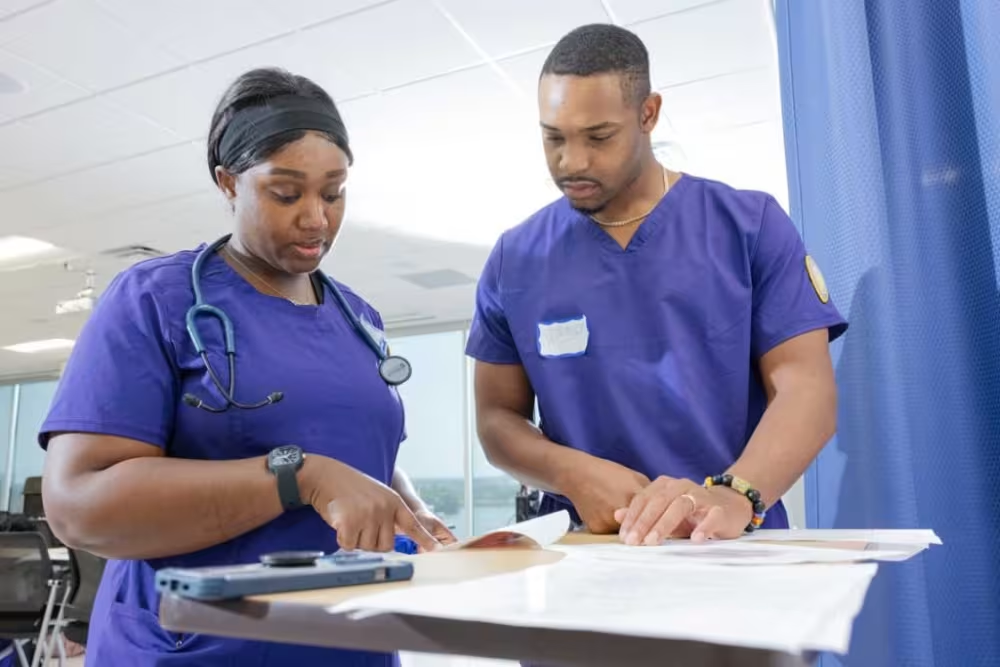
Where else can nurses work? Explore more of the possibilities that await you.
Where Do Perioperative Nurses Work?
Perioperative RNs work in clinical settings where surgical or invasive procedures are performed, including:
- Ambulatory surgery centers
- Day surgery units
- Hospital surgical departments
- Outpatient clinics
- Physicians’ offices
Perioperative Nurse vs. Operating Room Nurse
Perioperative nursing is a broad category that covers three phases of surgery: pre-operative, intraoperative, and post-operative. An operating room nurse is a type of perioperative RN who specializes in the intraoperative phase of nursing care. They may manage the sterility of the surgical field and hand instruments to the surgeon.
Skills and Qualities of a Perioperative Nurse
Even routine surgery carries risk. Perioperative RNs need clinical expertise in infection control, emergency response, patient assessment, and equipment management. They must also have the skills required to work effectively with patients and surgical teams.
Key skills include:
- Adaptability
- Attention to detail
- Calmness under pressure
- Collaboration and teamwork
- Critical thinking
Emotional intelligence, interpersonal skills, and clear communication are especially helpful for perioperative nurses who work with patients before surgery. Patients and their loved ones may feel anxious, particularly before an emergency procedure, and benefit from a calm presence.

How to Become a Perioperative Nurse
Becoming a perioperative RN begins with earning a nursing degree.
Earn a BSN
If you do not have prior college experience, you can enroll in a four-year traditional BSN program to earn a degree. Alternatively, if you are changing careers to nursing and have a non-nursing bachelor’s degree or college credits, you can leverage your experience in an accelerated BSN program, such as Concordia University Texas’s ABSN track.
The ABSN track uses a hybrid learning model that combines online coursework with interactive nursing labs and clinicals. In nursing skills and simulation labs, you will build clinical skills and judgment. During clinical rotations, you will provide supervised patient care in local healthcare facilities.
Pass the NCLEX-RN
After earning a nursing degree, you must pass the NCLEX-RN licensure exam to become licensed. The exam assesses your ability to apply nursing knowledge to patient care situations, including triaging needs, prioritizing problems, and selecting evidence-based treatments.
Your education at Concordia University Texas will help prepare you for the NCLEX-RN. Begin studying early during your first semester. Use practice questions and full-length exams to strengthen your ability to apply nursing theory to clinical situations.
Gain Relevant Nursing Experience
Perioperative nursing is not an entry-level specialty. Before moving into the operating room, you must gain one to two years of bedside clinical experience. Consider roles in critical care or emergency nursing to build relevant experience for this transition.

There are many other nursing specialties to consider. Learn about the role and career pathway of an acute care nurse.
Consider Perioperative Nursing Education and Certification
After gaining perioperative experience, you may pursue continuing education for career growth. Look for continuing education units (CEUs) focused on pre-operative, intraoperative, and post-operative nursing care.
Certification can demonstrate professional competence. The Certified Perioperative Nurse (CNOR) credential requires at least two years of experience in this specialty and a passing score on the certification exam.
Is Perioperative Nursing Right for You?
Perioperative nursing may suit people who are comfortable with surgery and bodily fluids. The specialty allows nurses to advocate for patients while working as part of a coordinated surgical team. Consider whether:
- You value a nursing role with immediate, observable results.
- You have the stamina to lift and reposition patients and remain on your feet for extended periods.
- You can remain calm in high-stress situations.
- You prefer brief interactions with individual patients.

Build a Foundation for a Career in Perioperative Nursing at Concordia University Texas
If an operating room career interests you, Concordia University Texas can help you begin your transition to nursing. Apply to the ABSN track and work with a dedicated admissions counselor throughout the admission process.
You can choose between our nursing satellite campus locations in Austin and Dallas-Fort Worth, and among three start dates each year. Once enrolled, Academic Success Coaches provide individualized support and resources.
Request info today and connect with an admissions counselor at Concordia University Texas to get started.