
Oncology nurses provide specialized care to patients with cancer. At Concordia Texas University, you can learn how to become an oncology nurse and start the journey with the accelerated nursing track to earn your BSN and prepare to earn the necessary oncology certifications for nursing.
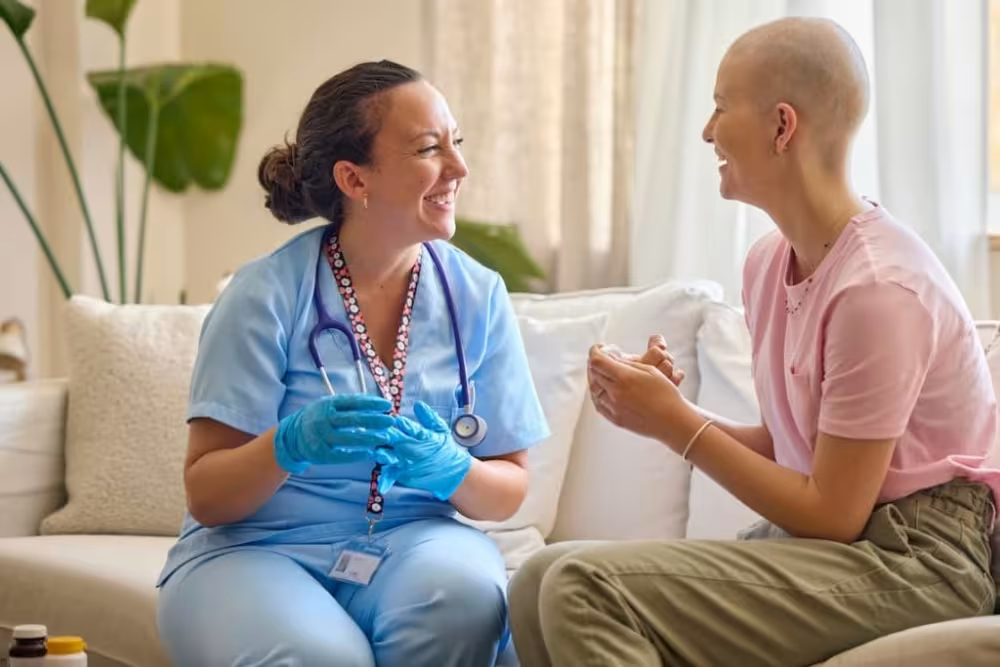
Cancer is a frightening diagnosis. These patients and their loved ones need education, support, and positivity. Taking on cancer patients with grace while providing care is the domain of oncology nursing. These nurses have extensive knowledge of oncology and are trained not only to administer treatments but also to help patients and families navigate the complex world of cancer care. They are also tasked with advocating for the patient’s treatment preferences.
Being an oncology nurse is a noble profession and will give you the opportunity to make a positive impact on patients through difficult medical circumstances. Concordia University Texas’s Accelerated Bachelor of Science in Nursing (ABSN) track offers a nursing education that will effectively prepare you to enter the nursing workforce.
One of the pathways to a bachelor’s degree in nursing is through our 16-month accelerated curriculum. After learning oncology nurse responsibilities and examining how to become an oncology nurse, you can decide whether this nursing specialty is the right fit for you.
What Does an Oncology Nurse Do?
As an oncology nurse, you can expect to work closely with other healthcare professionals across multiple practice areas to provide personalized care to patients with cancer. Daily tasks will vary, as with any kind of nursing, but oncology nurses typically assess patients for disease progression, administer chemotherapy, and support patients and their families or loved ones.
An oncology nurse completes typical nursing tasks, providing treatment, performing tests, and administering medication. On top of all that, oncology nurses work one-on-one with cancer patients to offer support and guidance during difficult treatments like radiation or chemotherapy.
They also educate patients and family members about their treatments, side effects, or symptoms they might experience. Some nurses serve as nurse navigators, coordinating care with multiple providers and working to ensure the patient’s needs are met.

What is an accelerated nursing track? Learn what to expect from an ABSN track.
Becoming an Oncology Nurse
Oncology nurses follow the same primary education path as any registered nurse (RN) by first earning a nursing degree from an accredited program. If you have a non-nursing bachelor’s degree or college credits, you can earn a degree with an accelerated BSN program, like Concordia Texas’s ABSN track, which will help you gain an understanding of the medical field and nursing specialties.
The ABSN track’s hybrid curriculum builds your nursing knowledge through:
- Online coursework that covers nursing knowledge and theory
- In-person skills and simulation labs to review mock care scenarios and build aptitude in different nursing tasks and techniques
- Clinical rotations, which involve working with real patients across several practice areas at top area healthcare facilities
After graduating with your BSN, the next step is earning state licensure and passing the NCLEX-RN, which is required by every board of nursing in the U.S. This test covers different areas of client needs and will apply everything you’ve learned throughout nursing school.
After passing the NCLEX-RN, you can secure an entry-level position in oncology nursing. You will work as part of a unit, delivering care to patients while maintaining records and completing other important administrative tasks.
After gaining experience and confirming that oncology nursing is the profession for you, consider becoming an Oncology Certified Nurse. Earning certification in your chosen specialty opens career doors and can make you stand out to potential employers.
How Long Does It Take to Become an Oncology Nurse?
Figuring out how many years it takes to become an oncology nurse depends on your education level and chosen specialty, but typically, completing the necessary education, experience hours, and certification can take two to four years.
Earning a BSN is the most straightforward option to be on your way to becoming an oncology nurse, as most advanced roles will require a BSN.
By enrolling in the ABSN track at Concordia Texas, you can jumpstart your path to becoming an oncology nurse. If you have at least 60 college credits or a non-nursing bachelor’s degree from another institution, you can earn your BSN with the ABSN track in as few as 16 months after completing prerequisites. After earning your degree, you’ll be in a great position to enter the medical field and start getting experience in nursing.
Oncology Nurse Requirements and Qualifications
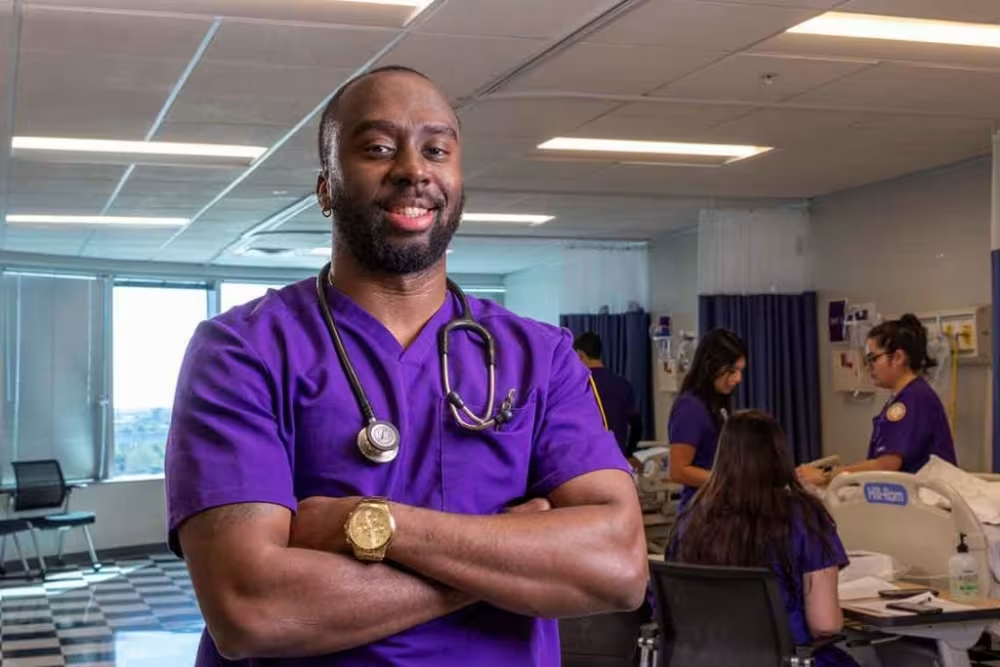
The technical requirements for an oncology nurse depend on the employer, but generally, you’ll need to become a licensed RN and pursue further experience related to this field. Oncology nurses need to be efficient in their work and clear in their communication. Regardless of specialty, nurses must have a good bedside manner when caring for patients. This is especially true for oncology.
These technical skills are not the only requirements for an oncology nurse, though. Nurses pursuing this field as a specialty need certain characteristics to make them successful. Empathy, translation of care, and collaboration are major factors in being successful in oncology.
Providing care to patients and their families through one of the most difficult diseases to battle takes enhanced listening skills, ensuring they have a safe space for questions and concerns. Many of the terms and procedures used in cancer treatments are unfamiliar to the public, so taking extra time to explain care plans is crucial for building rapport with patients.
Along with this, cancer care can extend into other medical fields, so collaborating with physicians and specialists will ensure that your patients receive the appropriate care for their situation.
It is also important to remember that not every patient you interact with will have a positive outcome. For this reason, oncology nurses must be resilient and focused on their work to function as level-headed as possible, even in stressful or emotional situations.
While this is certainly not an exhaustive list, these are some of the more important oncology nurse requirements. Honing these skills will help you be successful and provide the highest-quality care.
Oncology nurses are in high demand due to the increase in cancer diagnoses. Finding the right path to becoming an oncology nurse is the first step toward making a lasting impact in healthcare facilities across the country.

There are many skills needed to be a successful nurse. Learn why leadership is an important skill in nursing.
Ready to Take the Next Step Toward Oncology Nursing?
Concordia Texas’s accelerated BSN track equips students with the skills and clinical experience to succeed in specialized fields of nursing, like oncology. With three annual start dates to choose from, you don’t have to wait to start making a real difference.
If you’re ready to pursue your degree in nursing or would like more information about the ABSN track, Concordia Texas is here to help. Contact one of our admissions counselors today to begin the conversation and take the next step in your professional career.